Improvement Of Sight: Understanding SMILE Ocular Surgery
Post Written By-Kahn Robinson
In recent years, advancements in ophthalmic surgery have transformed the way we address visual impairments, leading to new procedures that offer patients fresh opportunities for improved eyesight. One such technique, known as SMILE, has gained significant attention for its non-invasive approach and outstanding results. But what specifically is SMILE eye surgery, and how does it work? As we investigate the details of this revolutionary procedure, we will examine its benefits, recovery process, and even look at other common options like PRK.
For those battling with nearsightedness, the SMILE procedure presents an attractive alternative to conventional laser procedures. With a focus on maximizing patient satisfaction and reducing healing time, SMILE eye surgery has quickly become a favored choice for many looking to better their vision without the hassles of glasses or contact lenses. This article will guide you through everything you need to know about SMILE eye surgery, from its price and advantages to possible complications and what the healing includes. Come along as we uncover the aspects of this innovative eye surgery that is changing lives.
Comprehending SMILE Eye Surgery
Small Incision Lenticule Extraction eye surgery, known as SMILE, is an innovative laser vision correction procedure primarily engineered to treat nearsightedness. Unlike traditional LASIK, that makes an incision in the cornea, SMILE involves making a small incision to extract a lenticule of tissue from the eye. This less invasive approach allows for a quicker recovery and reduced impact to the cornea's surface, which makes it an appealing option for many patients seeking vision correction options.
The procedure starts with the use of a femtosecond laser, that accurately shapes the lenticule within the cornea. Once the lenticule is created, the surgeon carries out a small incision, through which the lenticule is taken out. This method not just visual acuity but also preserves the structural integrity of the cornea, reducing the risk of complications and side effects often associated with invasive techniques. As a result, patients often enjoy smoother healing and enhanced comfort during the recovery period.
One of the key benefits of Small Incision Lenticule Extraction eye surgery is its ability to deliver a quick return to daily activities. Most patients see substantial improvements in their vision within days, and many return to regular activities the day after surgery. Additionally, the lower likelihood of dry eyes and other complications compared to traditional methods makes SMILE a preferred option for individuals looking to get rid of their dependence on glasses or contact lenses. As awareness of this procedure increases, many are exploring SMILE as a potential solution to their vision needs.
Pricing and Recovery of SMILE Eye Surgery
The price of SMILE eye surgery can vary significantly based on multiple elements, including the surgeon's skill, the clinic's site, and any supplementary services or tools used during the operation. Typically, patients can expect to pay between 2k to $4,000 dollars per one eye. Health insurance may cover some of the expenses if the procedure is deemed medically essential, but many patients pay out of pocket. It is important to research various clinics and evaluate the overall value, not just the price, when choosing a clinic.
Rehabilitation from SMILE eye surgery is usually rapid and clear-cut. The majority of patients see improved vision in a few days after the procedure. However, it is usual to have some blurry vision and gentle discomfort in the early hours following the procedure. Patients are usually recommended to take it easy and avoid strenuous activities for a short period after the operation. Post-operative check-ups are important to monitor healing and make sure that vision settles as projected.
While numerous patients report a significant amount of contentment with the outcomes, there can be some adverse effects associated with SMILE eye surgery. Common side effects include dry eyes, halo, ringing lights, and variations in vision, notably in the early days of healing. These effects typically resolve as healing continues. It is crucial for patients to communicate any issues with their surgeon before the surgery to have practical expectations about healing and potential results.
Advantages and Risks of SMILE Eye Surgery
SMILE eye surgery provides several advantages that make it an appealing choice for those looking for vision correction. One of the main advantages is the less invasive nature of the procedure. Unlike traditional LASIK, which requires a larger incision to create a layer in the cornea, SMILE uses a minimal incision to extract a lenticule, which can lead to quicker recovery times and reduced interference to the corneal structure. Many patients experience lessened discomfort and a faster return to their daily activities following the surgery.
However, as with any surgical procedure, there are risks associated with SMILE eye surgery. Some patients may experience temporary visual disturbances, such as glare or halos, especially in low light conditions. Additionally, there is a possibility, albeit minimal, of undercorrection or overcorrection that may necessitate further intervention. It is essential for potential candidates to review these risks with their eye care provider to ensure they have realistic expectations and understand the likelihood of issues.
In the end, the decision to pursue SMILE surgery should be based on a thorough assessment of the benefits relative to the drawbacks. For many individuals with nearsightedness, the benefits of a more comfortable, minimally invasive procedure that provides efficient vision correction can override the potential negatives. As always, a detailed consultation with a qualified ophthalmologist will help determine if SMILE eye surgery is the best option based on individual needs and circumstances.
Contrasting against Alternative Methods
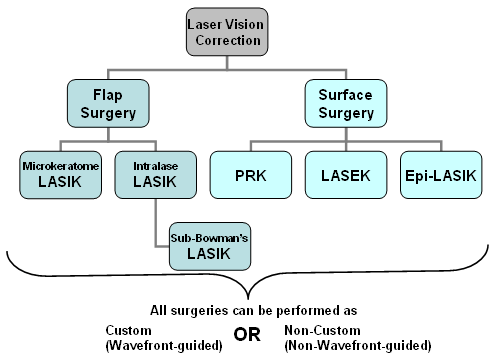
When considering vision correction options, it is essential to contrast SMILE laser eye surgery with alternative well-known procedures, such as LASIK and PRK. One of the main differences is the technique used. LASIK requires creating a corneal flap, allowing giving surgeons greater access to alter the cornea, while PRK removes the outer layer of the cornea completely. In contrast, SMILE executes a minimally invasive procedure by creating a small incision and extracting a lenticule, reducing the potential for complications associated with flaps and surface abrasions as seen in LASIK and PRK.
Expenses associated with SMILE eye surgery can also vary in comparison to LASIK and PRK. Generally, SMILE may have a greater upfront cost than traditional LASIK due to the advanced technology employed. However, patients frequently discover the long-term benefits and reduced risk of side effects make it a worthwhile investment. PRK usually has https://www.upmatters.com/health-watch/smile-an-alternative-to-lasik/ , but it requires a longer recovery time, affecting the overall value when taking into account the full experience.
Another vital aspect of evaluation lies in the recovery process and potential side effects. SMILE eye surgery offers a quicker recovery time, with many patients returning to their daily activities within a day, compared to LASIK and PRK. Although all procedures have risks, some studies suggest that SMILE has fewer instances of dry eye syndrome and other complications. As a result, patients can make a more educated choice by considering the unique benefits and disadvantages of each method that suits their individual needs.